
It takes a village to raise a child, and we need homes for ALL our neighbors
It takes a village to raise a child, and in order to have a strong village, our neighbors all need homes. Right now, Richmond is going through a process to update its zoning code. We have an opportunity to update Richmond’s zoning laws so we can create more housing options for all our neighbors. Other places in the United States that made zoning more flexible, saw housing costs stabilize and slower rent growth. This will mean stronger villages of support for ALL our kids.
Children need many supportive adults in their lives:
Supportive adult relationships are one of the most influential protective factors. They promote emotional well-being, help buffer the effects of trauma and toxic stress, and are central to building resilience in both children and families.
More, and varied, housing options means grandparents, cousins, aunts, uncles, and other adults in their lives can live near them and spend more time together. These changes would enable more homes, AND diversify the kinds of homes that can be built, enabling multi-generational, socioeconomically diverse, and integrated communities. A study of an intergenerational program that partnered older adults with at-risk youth found that the affordability and design of housing was key to its success. The report “Healthier Lives Across Generations: A Blueprint for Intergenerational Living” identifies the need for zoning changes and recommends local governments:
Ensure that local zoning allows for and encourages the development of affordable multifamily housing options, including those with shared amenities and common spaces.
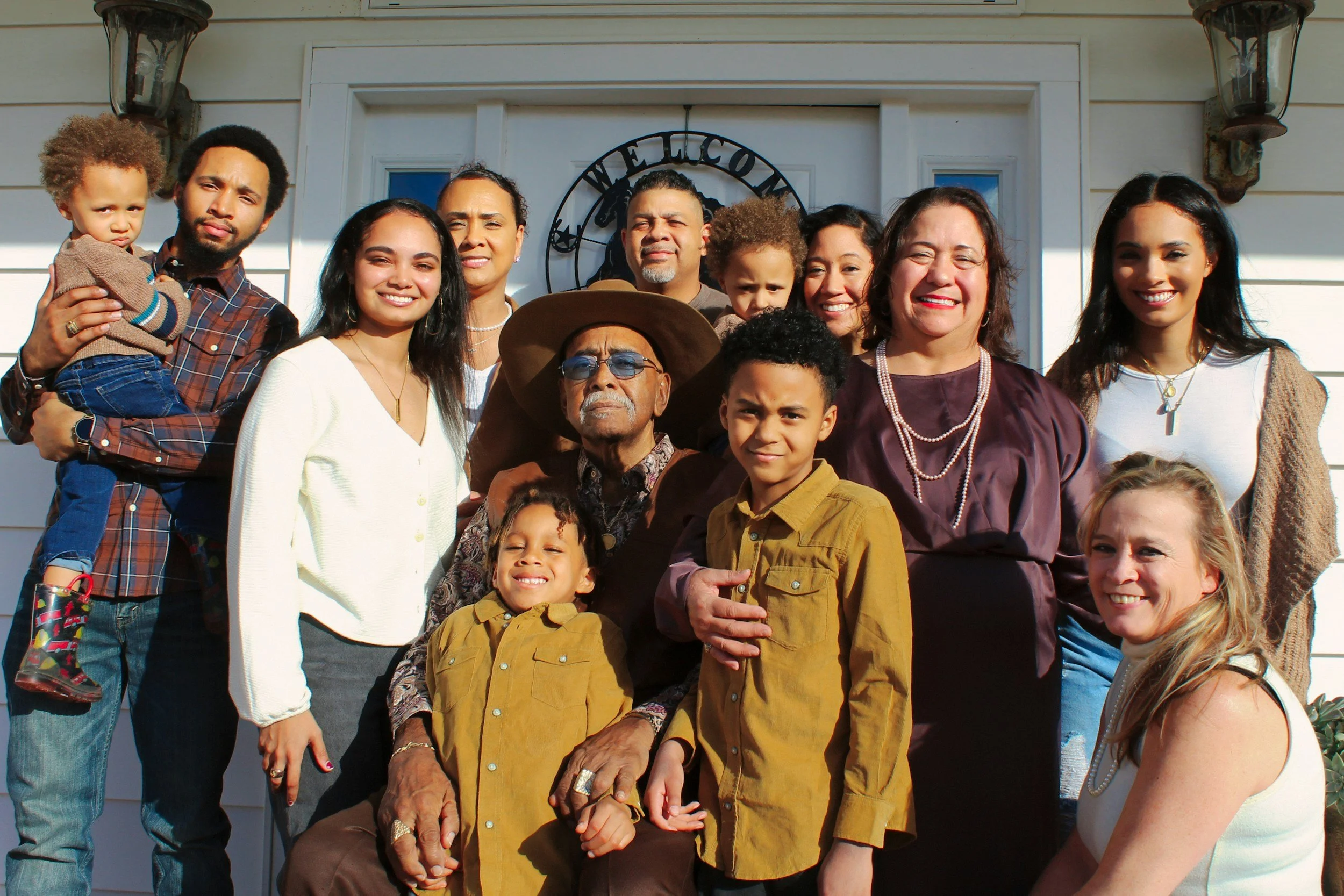
This past year alone, I’ve spoken to several Northside families about the struggle to afford housing. I’ve met families that have had to move out of the City, leaving behind the schools and communities their kids love, in order to afford housing. The proposed changes will make Richmond city zoning more flexible, which will enable more housing options so that Northside families (and ALL City families) can stay in their neighborhoods and in their schools.
Zoning rules determine what can get built, and where. Every city and county in Virginia has zoning codes. In Richmond, these rules were last updated more than 50 years ago – before most of Richmond’s current residents were born! Richmond’s zoning rules limit the amount of new housing and encourage segregation, concentrate wealth, and hoard opportunity. Richmond’s zoning codes are regressive and are ripe for change.
Today in Richmond, 57% of the land is zoned for only single-family homes. It is illegal to build apartments in most parts of the city. Yet more than half of Richmonders are renters, so most of our neighbors compete for housing in narrow zones. Zoning divides us along these lines, limiting opportunity, concentrating struggle, and denying wealth:
Zoning regulations can be exclusionary in several ways, says Nolan Gray, an urban planner and the author of the book Arbitrary Lines: How Zoning Broke the American City and How to Fix It. "If you look at the origins of policies like single-family zoning, they were fairly explicitly designed to segregate cities both on the basis of socioeconomic status and then, of course, race," he says.
Please take action now, and let our leaders know that you want more housing choices for all our neighbors.